IFD News
February 20, 2026
There’s More to Your Dental Exam Than You Might Think
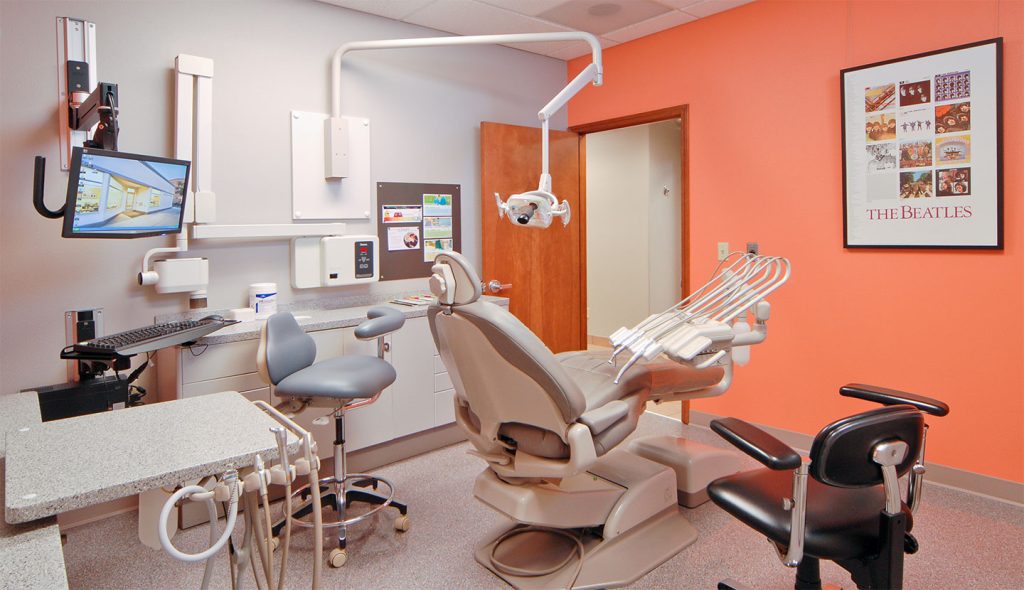 A lot of patients think of a dental appointment as a cleaning with a quick look at their teeth at the end. And honestly, we understand why. The cleaning is the part you can feel, that smooth, fresh sensation when you run your tongue over your teeth on the way out the door. But the exam that happens alongside your cleaning covers quite a bit more than most people realize, and understanding what we're actually looking for can help you get more out of every visit. Here's a closer look at what your dentist is doing during an exam, and why each piece of it matters. Your Teeth, Yes, But More Than That We're absolutely checking your teeth. We're looking for cavities, cracks, worn areas, and any changes since your last visit. But the exam extends well beyond your teeth themselves. We're looking at your gums, the bone that supports your teeth, how your bite comes together, how your jaw moves, and the soft tissues throughout your entire mouth. Each of those areas tells us something, and the information we gather from all of them together gives us a much more complete picture than any one piece could on its...
 February 3, 2026
What Stress Does to Your Mouth (And What to Do About It)
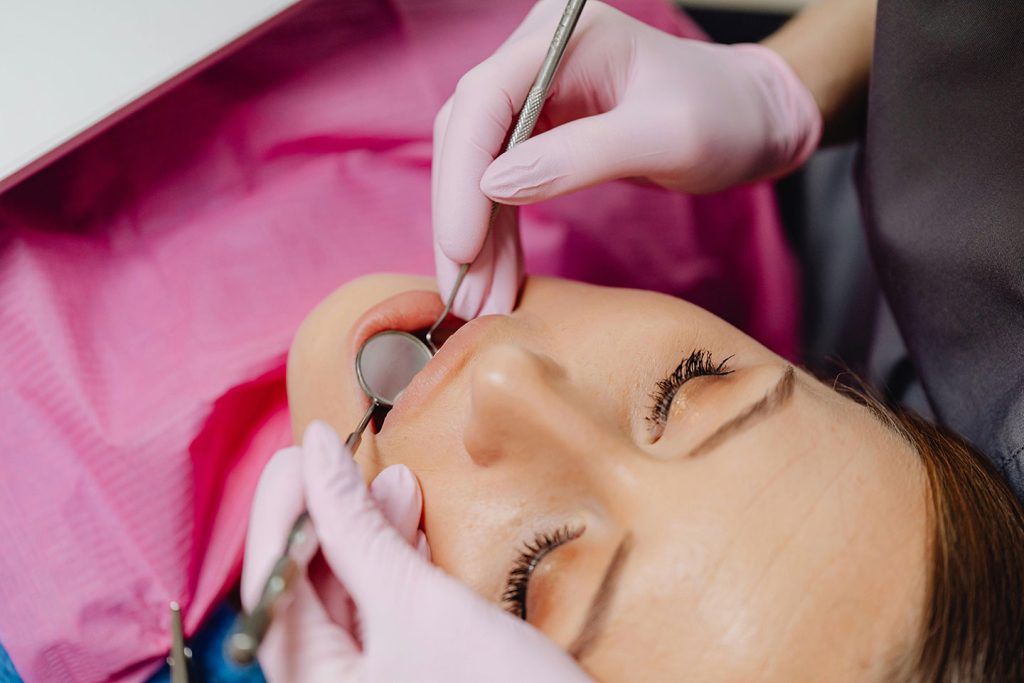 Most of us know that stress takes a toll on the body. It shows up in tight shoulders, restless nights, headaches that seem to come out of nowhere. What a lot of people don't realize is that stress also has a pretty significant effect on your oral health, and not always in ways that are obvious. We see it in our patients regularly. Life gets busy or overwhelming, and the mouth is often one of the first places it shows up. The connection makes sense when you think about it. Stress is a full-body experience, and your mouth is not somehow separate from everything else that's happening. Grinding and Clenching One of the most common signs is grinding or clenching your teeth, usually during sleep. Many people have no idea they're doing it until a partner mentions the noise, or they start waking up with a sore jaw and a dull headache that's hard to explain. Stress is one of the primary triggers, and the tricky part is that it often happens when you're completely unaware. Over time, grinding puts real wear on your enamel. It can cause teeth to become sensitive, flatten the biting surfaces, and in some cases...