IFD News
March 28, 2026
What Dental X-Rays Actually Show (And Why We Take Them)
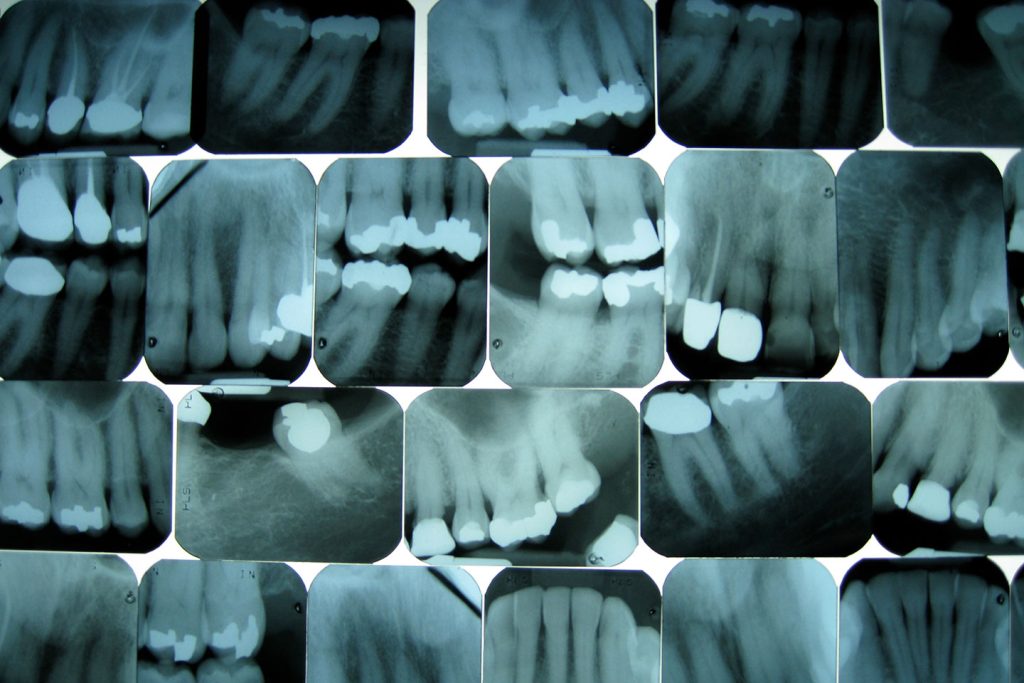 If you've ever sat in a dental chair with a small plastic sensor tucked against your cheek and wondered what exactly we're looking at when those images come up on the screen, this one's for you. X-rays are one of those things that feel routine because they are routine, but the information they give us is anything but ordinary. Here's a look at what dental X-rays actually show, why we take them when we do, and what we'd be missing without them. The Limits of What We Can See A visual exam is an important part of every dental appointment. We're trained to notice a lot with our eyes, and we take that part of the visit seriously. But there are real limits to what any amount of training and experience can reveal through direct observation alone. We can see the surfaces of your teeth that are exposed, the tissue of your gums, and the general landscape of your mouth. What we cannot see is what's happening between your teeth, beneath your gumline, inside the tooth structure itself, or in the bone below. And that is precisely where some of the most important things to catch early tend to develop...
  When most people think about sleep apnea, they think about a sleep study, a primary care doctor, maybe a pulmonologist. A dentist isn't usually the first thing that comes to mind. But it probably should be, and here's why. We see our patients twice a year. That kind of regular, consistent contact means we're often the first ones to notice the signs of sleep apnea, sometimes before the person sitting in our chair has any idea something is going on. What Sleep Apnea Actually Is Sleep apnea is a condition in which breathing repeatedly stops and starts during sleep. The most common type, obstructive sleep apnea, happens when the muscles in the throat relax too much during sleep and partially or fully block the airway. When that happens, the body briefly wakes itself up to restore normal breathing. This can occur dozens of times a night, and most people have no memory of it happening. That's part of what makes it so tricky. You can have a significant sleep disorder and feel like you slept through the night. What you notice instead are the downstream effects: feeling exhausted no matter how much sleep you get, waking up with headaches, difficulty...