

Welcome to the Inland Family Dentistry dental blog. Walla Walla is home to our practice, and this is the space where we share friendly, helpful information about keeping your teeth and gums healthy. Whether you are curious about what happens during a routine cleaning, wondering how nutrition affects your smile, or looking for tips to help your kids feel comfortable at their next visit, you will find articles here written with real families in mind. We believe good dental care starts with good information, and we want this to be a resource you can trust.
New here? Learn more about our team and the services we offer, including general dentistry, hygiene, and pediatric dentistry. You can also explore trusted oral health resources from the American Dental Association.
 When most people hear Botox, they think of smoothing wrinkles. So it often catches patients off guard to learn that it has a place in dentistry too, and that the reason has nothing to do with appearances. For people who deal with chronic jaw clenching, teeth grinding, or facial muscle pain, Botox can be a genuinely helpful tool, and it's one of the options we're able to offer right here at our office. If you've never heard of this use before, you're far from alone. It's one of those things that sounds surprising at first and then makes a lot of sense once you understand what's actually going on. So here's a clear look at how it works and who tends to benefit. The Problem It Helps With A lot of people clench or grind their teeth, often without realizing they're doing it. Sometimes it happens during sleep, sometimes during stressful stretches of the day. The muscles that move the jaw are strong, and when they're working overtime, the effects add up. People end up with sore jaws, tension headaches, facial pain, and worn down teeth. This kind of clenching and grinding has a name, bruxism, and it's more common...
  For a lot of people, the word dentures still calls up an image from decades ago. Maybe it's a relative's teeth sitting in a glass on the nightstand, or the idea of something bulky and obvious that clicks when you talk. If that's the picture in your head, we understand completely. It's the picture a lot of folks walk in with. The reality of dentures today looks quite a bit different than it did even fifteen or twenty years ago, and some of the assumptions people carry around about them are worth clearing up. We talk with patients about dentures regularly here at the office, and one thing we've noticed is that the conversation tends to be wrapped in a fair amount of worry. Some of that worry is understandable. Some of it is based on outdated information. So let's walk through what dentures actually are now, what they can and can't do, and where the old assumptions tend to lead people astray. What Dentures Are, In Plain Terms At their simplest, dentures are removable replacements for missing teeth. They come in a couple of main forms. Full dentures replace a complete set of upper or lower teeth, and they're...
  Most people treat a dental exam as something separate from their overall health. Teeth are teeth. Everything else belongs somewhere else. The reality is that your mouth and body are far more connected than most people realize, and a thorough dental exam can reflect quite a bit more than whether you have a cavity. The Mouth as a Window The tissues, gums, and structures inside your mouth can reflect what's happening elsewhere in the body. This isn't a new idea in dentistry. It's simply one that doesn't get communicated to patients as often as it should. Changes in soft tissue appearance, bone loss visible on X-rays, shifts in how gum tissue responds — these things can be relevant beyond the immediate question of tooth health. We see our patients twice a year on average. For many people, that's more regular contact with a healthcare provider than they get elsewhere. That consistency gives us something valuable: a picture of what's normal for you, and the ability to notice when something changes. Your Dental Exam and Gum Health The connection between gum disease and overall health is well established in research. Studies consistently show a link between chronic gum inflammation and broader...
  Saliva doesn't get a lot of credit. It works quietly in the background without anyone noticing, right up until something goes wrong, like dry mouth. But the role saliva plays in keeping your mouth healthy is genuinely significant, and understanding it can change the way you think about some common dental concerns. Here's a closer look at what saliva actually does, what happens when your body isn't producing enough of it, and what you can do to help. More Than Just Moisture It's easy to think of saliva as simply the fluid that keeps your mouth from feeling dry. And while that's part of it, saliva is doing quite a bit more than that at any given moment. Saliva is about 98 percent water, but that remaining two percent is where things get interesting. It contains enzymes that begin breaking down food the moment it enters your mouth, which is actually the first step in digestion. It contains proteins and minerals that help protect and strengthen tooth enamel. It contains antimicrobial compounds that keep bacterial levels in check. And it maintains a balanced environment in your mouth that makes it harder for harmful bacteria to get a foothold. One of...
 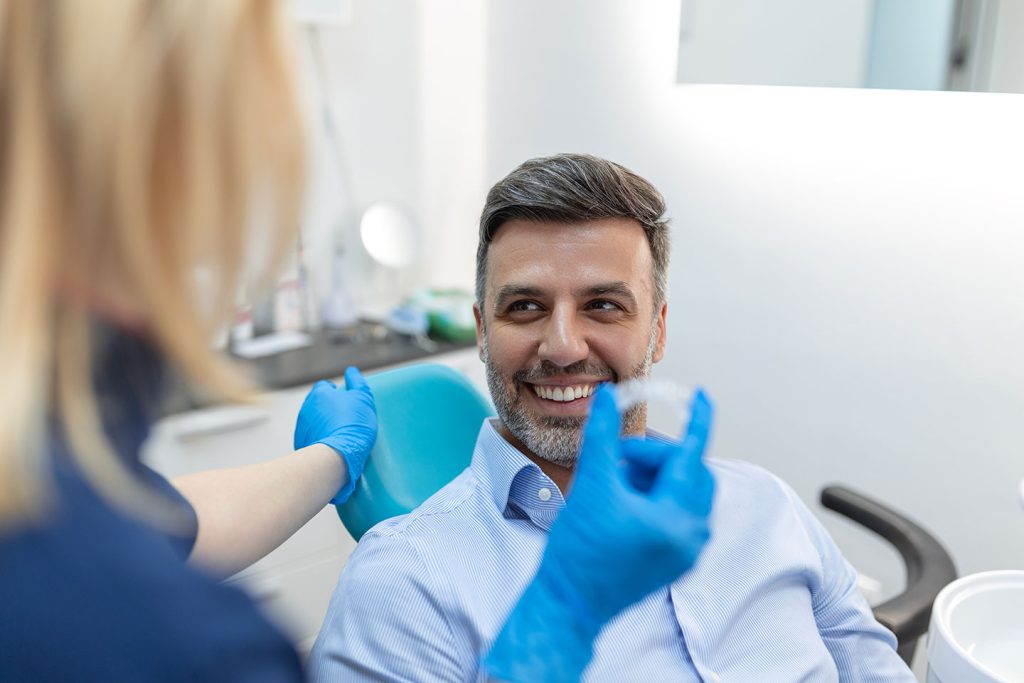 A lot of adults carry around a version of the same thought: they wish they had done something about their teeth when they were younger. Maybe orthodontics wasn't an option growing up. Maybe they had braces as a teenager and their teeth shifted over the years. Maybe they've just never quite loved their smile but assumed that fixing it was something people do in their teens, not in their thirties, forties, or beyond. That assumption is worth revisiting. Adult orthodontic treatment is more common than most people realize, and Invisalign has played a big part in that shift. If the idea of straightening your teeth has crossed your mind more than once, here's what's actually worth knowing. Adults Are Getting Orthodontic Treatment More Than Ever There's a reason this conversation comes up so often in our office. Roughly one in three orthodontic patients today is an adult, and that number has been climbing steadily. Part of that is awareness, and part of it is the availability of clear aligner options that fit more naturally into an adult life than traditional metal braces do. The desire for a straighter smile doesn't expire at eighteen. Neither does the ability to achieve one....
 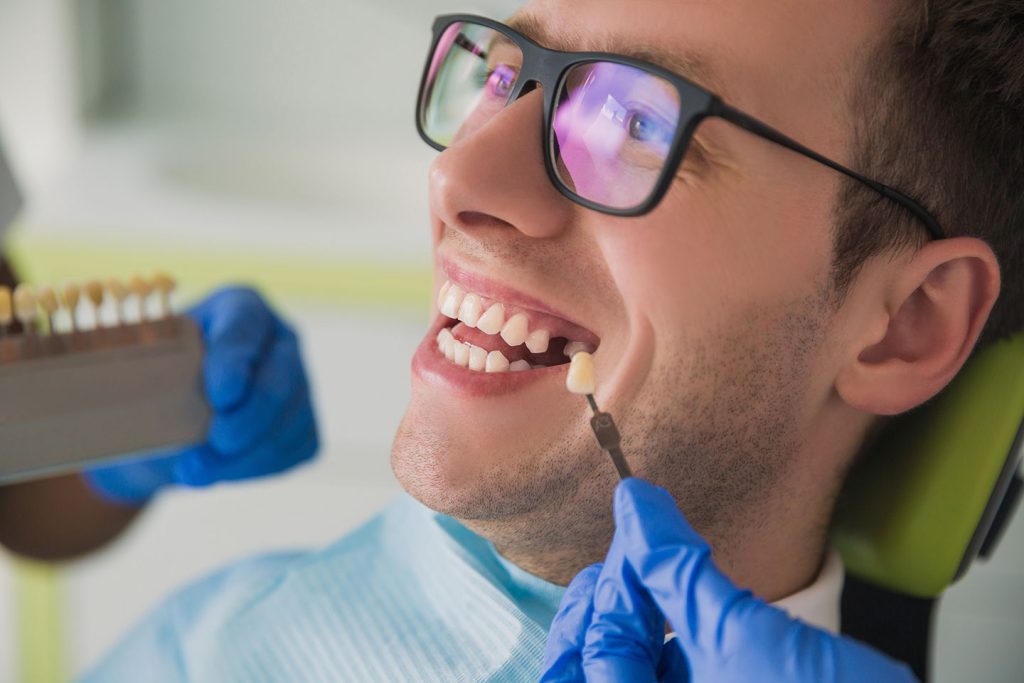 Dental Implants Explained: How They Work and Whether They Might Be Right for You If you've lost a tooth, or if you're facing the possibility of losing one, it's natural to have a lot of questions about what comes next. There are several ways to replace a missing tooth, and dental implants are one of the options we discuss with patients regularly. They've changed quite a bit about how dentistry can approach tooth loss, and for the right candidate, they can be a genuinely life-changing solution. That said, implants aren't the right fit for everyone, and the process isn't something to go into without a clear understanding of what's involved. Here's a straightforward look at how they work, who tends to be a good candidate, and what to expect if you decide to move forward. What a Dental Implant Actually Is A dental implant is a small titanium post that's surgically placed into the jawbone where a tooth is missing. Titanium is used because the body accepts it extremely well. Over the course of roughly four to six months, the bone actually grows around and fuses to the implant in a process called osseointegration. Once that healing is complete and...
 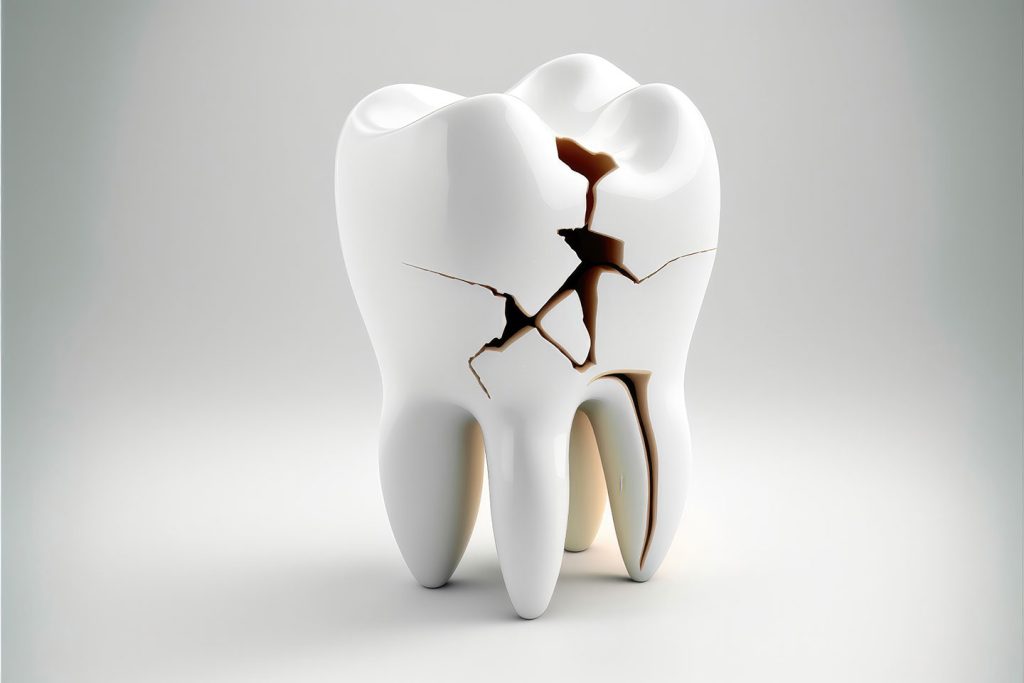 Cracked Teeth Are More Common Than You'd Think Most people picture a cracked tooth as something obvious. You bite down on something too hard, something breaks, and you know it immediately. Sometimes that is exactly what happens. But a lot of the time, a cracked tooth is something far quieter, something that doesn't announce itself clearly and can go unaddressed for months or even years while the problem gradually gets worse. Cracked teeth are one of the leading causes of tooth loss in adults, and they're becoming more common. Understanding what causes them, what to look for, and why it's worth acting on them early makes a real difference in what treatment ends up looking like. Why Cracks Happen There's no single cause, and more often than not, there are several factors working together. Teeth that have large fillings are more vulnerable because the filling material doesn't flex the way natural tooth structure does, which puts more stress on the surrounding tooth over time. Teeth grinding and clenching, which many people do during sleep without realizing it, generates forces far beyond what normal chewing produces, and that sustained pressure takes a toll on enamel over months and years. Habits matter...
  What Fluoride Actually Does for Your Teeth If you've ever had a fluoride treatment at the end of a cleaning and wondered whether it actually does anything, you're not alone. It can feel like a small, easy-to-overlook step, especially when you're already thinking about getting out the door. But fluoride is genuinely one of the more useful tools we have for keeping teeth healthy, and it's worth understanding what it's doing and why we recommend it. How Teeth Lose and Regain Minerals To understand fluoride, it helps to know a little bit about what's happening on the surface of your teeth throughout the day. Enamel, the outer layer of your teeth, is made up largely of minerals. Every time you eat or drink something, the bacteria in your mouth produce acids that pull minerals out of that enamel in a process called demineralization. Your saliva then works to restore those minerals in a process called remineralization. This back and forth is completely normal and happens constantly. The problems start when the balance tips too far in the wrong direction, when demineralization is happening faster than remineralization can keep up, and enamel starts to weaken. Fluoride helps restore that balance. It...
 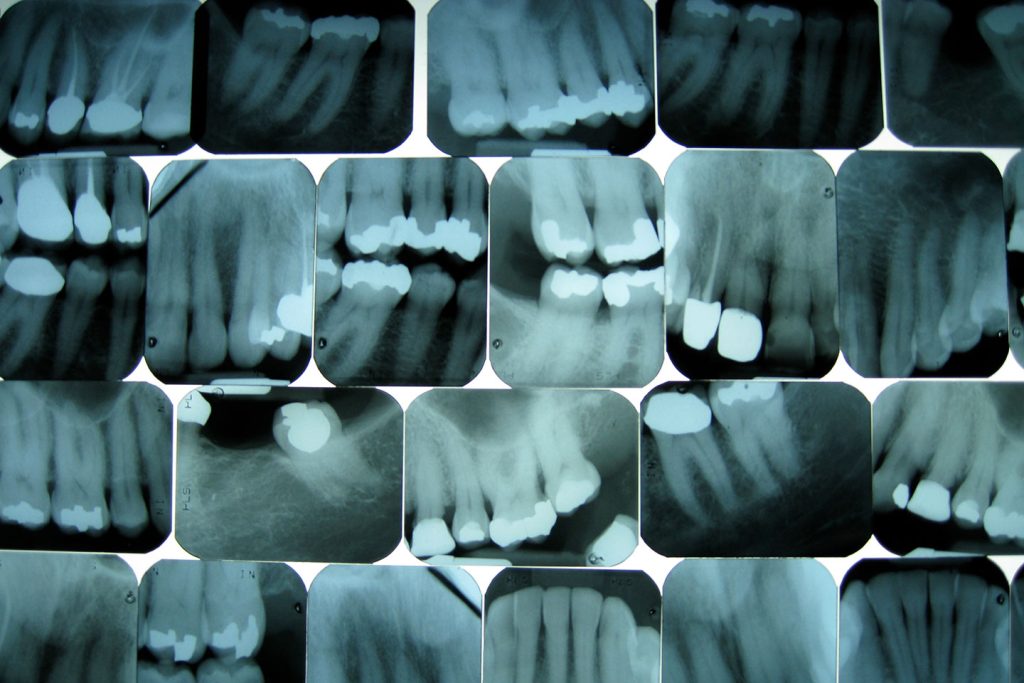 If you've ever sat in a dental chair with a small plastic sensor tucked against your cheek and wondered what exactly we're looking at when those images come up on the screen, this one's for you. X-rays are one of those things that feel routine because they are routine, but the information they give us is anything but ordinary. Here's a look at what dental X-rays actually show, why we take them when we do, and what we'd be missing without them. The Limits of What We Can See A visual exam is an important part of every dental appointment. We're trained to notice a lot with our eyes, and we take that part of the visit seriously. But there are real limits to what any amount of training and experience can reveal through direct observation alone. We can see the surfaces of your teeth that are exposed, the tissue of your gums, and the general landscape of your mouth. What we cannot see is what's happening between your teeth, beneath your gumline, inside the tooth structure itself, or in the bone below. And that is precisely where some of the most important things to catch early tend to develop...
  When most people think about sleep apnea, they think about a sleep study, a primary care doctor, maybe a pulmonologist. A dentist isn't usually the first thing that comes to mind. But it probably should be, and here's why. We see our patients twice a year. That kind of regular, consistent contact means we're often the first ones to notice the signs of sleep apnea, sometimes before the person sitting in our chair has any idea something is going on. What Sleep Apnea Actually Is Sleep apnea is a condition in which breathing repeatedly stops and starts during sleep. The most common type, obstructive sleep apnea, happens when the muscles in the throat relax too much during sleep and partially or fully block the airway. When that happens, the body briefly wakes itself up to restore normal breathing. This can occur dozens of times a night, and most people have no memory of it happening. That's part of what makes it so tricky. You can have a significant sleep disorder and feel like you slept through the night. What you notice instead are the downstream effects: feeling exhausted no matter how much sleep you get, waking up with headaches, difficulty...