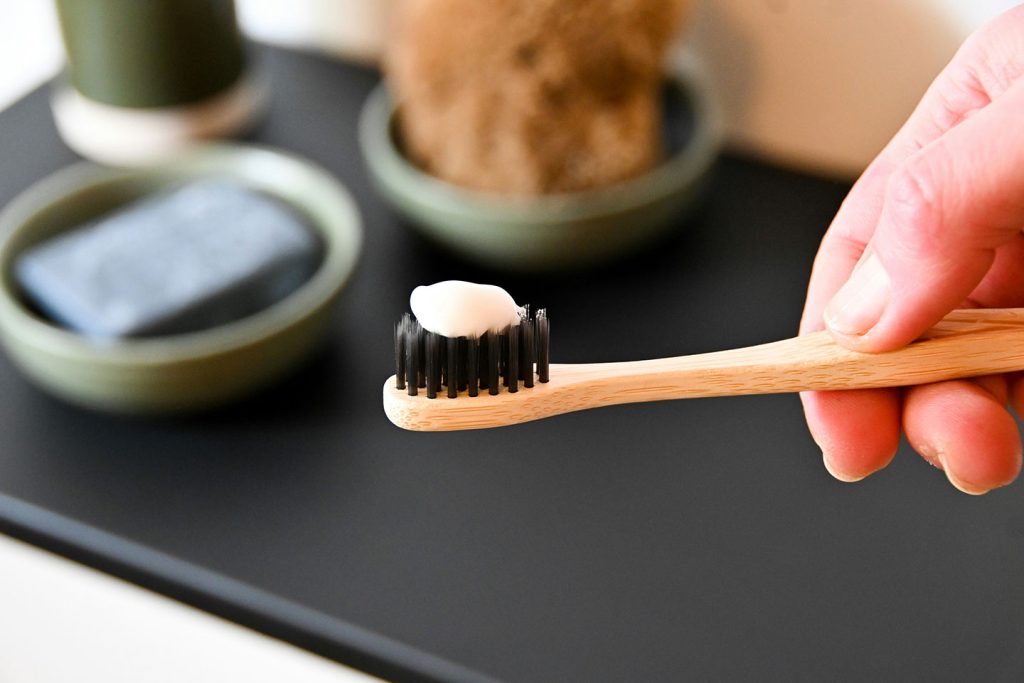
When we think about dental health, most of us immediately picture brushing, flossing, and regular dental checkups. While those habits are essential, there’s another layer to the story, one that goes beyond your toothbrush.
What you eat, whether you smoke, and how you live day to day have a powerful impact on your teeth and gums. In fact, lifestyle choices can either protect your oral health for the long haul or quietly undo even the best brushing routines.
Let’s explore how your daily habits, from your diet to smoking and everything in between, shape the health of your smile.
Your Diet: Feeding Your Body… and Your Bacteria
The phrase “you are what you eat” rings especially true when it comes to your mouth. Your teeth and gums are on the front lines of everything you consume, and what you feed your body also feeds the bacteria in your mouth.
Sugars are the biggest culprit. Every time you eat something sugary, from candy to juice to processed carbs, the bacteria in your mouth get to work. They feed on those sugars and produce acid, which wears away your enamel. Over time, this leads to cavities and tooth decay. It’s not just the amount of sugar that matters, it’s how often you consume it. Frequent snacking or sipping on sweetened drinks throughout the day keeps your teeth in a constant acid bath.
But it’s not all bad news. A healthy diet can be one of your mouth’s best defenses. Foods rich in calcium (like milk, cheese, and leafy greens) help strengthen teeth. Crunchy fruits and vegetables like apples and carrots naturally clean teeth and stimulate saliva, which neutralizes acid. Drinking water, especially fluoridated water, helps rinse away food particles and keeps your mouth hydrated.
If you’re aiming for good oral health, a balanced diet is just as important as brushing twice a day. Think of it this way: healthy eating habits aren’t just good for your body, they’re also the first step to a stronger, cleaner smile.
Smoking: One of the Worst Things You Can Do to Your Mouth
Smoking doesn’t just hurt your lungs and heart, it wreaks havoc on your oral health. It stains teeth, causes bad breath, and contributes to plaque buildup. But the damage runs much deeper.
Tobacco use (whether it’s cigarettes, cigars, or chewing tobacco) significantly increases your risk of gum disease, also known as periodontal disease. This condition starts quietly, with red or swollen gums, but it can progress to bone loss and even tooth loss if untreated. Smoking reduces blood flow to the gums, making it harder for your mouth to fight infection and for treatments to work properly.
Even more concerning: smoking is a major risk factor for oral cancer. This includes cancers of the lips, tongue, cheeks, and throat. Combined with alcohol use, the risk increases dramatically.
Quitting smoking, while not easy, is one of the most powerful things you can do for your overall health, and your oral health, too. Within weeks of quitting, your gums start healing, your breath improves, and your risk for long-term damage begins to drop.
Alcohol, Stress, and Other Lifestyle Factors
Smoking and sugar are two big players, but they’re not alone. Other habits can quietly impact your oral health over time.
Alcohol consumption, especially when frequent or excessive, can lead to dry mouth, acid erosion, and gum problems. Many alcoholic drinks, like wine, beer, or mixed cocktails, are acidic or high in sugar. Dry mouth from alcohol means your saliva can’t do its job protecting your teeth, making cavities and irritation more likely.
Stress is another underestimated factor. Chronic stress has been linked to jaw clenching, teeth grinding (called bruxism), and neglect of oral hygiene. People under stress may also skip dental appointments or adopt comfort habits like smoking, snacking, or drinking more coffee or alcohol, all of which take a toll on the teeth.
And then there’s hydration. It’s easy to overlook, but dehydration (from not drinking enough water, especially in hot weather or during illness) can lead to dry mouth, which reduces saliva, your mouth’s natural cleaning and acid-neutralizing defense. A dry mouth environment is a perfect home for cavity-causing bacteria.
What Can You Do About It?
Improving your oral health doesn’t mean you have to live on kale and give up every pleasure. But small lifestyle changes can have a big impact.
Start by being aware of how your habits affect your mouth. If you love sweet tea or soda, try reducing your intake or using a straw to minimize contact with your teeth. Snack less often and choose tooth-friendly foods like nuts, cheese, and raw vegetables.
If you smoke, talk to your doctor or dentist about quitting support. Many clinics now offer resources, from counseling to nicotine alternatives. It’s not about judgment, it’s about giving your body (and your smile) the best possible shot at long-term health.
And don’t forget the basics: brush twice a day with fluoride toothpaste, floss daily, and see your dentist regularly, even if nothing feels wrong. Preventive care is easier, cheaper, and much less stressful than treating a problem once it’s too late.
Your Smile, Your Responsibility
Your oral health doesn’t start and end in the dental chair. It begins with the choices you make every day, what you eat, drink, smoke, and how you take care of your body.
Think of your mouth as part of your whole health picture. Because it is.
A healthy lifestyle isn’t just about weight or fitness. It’s about keeping your smile strong, your gums healthy, and your body free from the pain and cost of preventable dental problems.
So next time you reach for that sugary drink or use tobacco, ask yourself: is it worth the impact on my oral health?
Your teeth are with you for life. Treat them that way.