

Welcome to the Inland Family Dentistry dental blog. Walla Walla is home to our practice, and this is the space where we share friendly, helpful information about keeping your teeth and gums healthy. Whether you are curious about what happens during a routine cleaning, wondering how nutrition affects your smile, or looking for tips to help your kids feel comfortable at their next visit, you will find articles here written with real families in mind. We believe good dental care starts with good information, and we want this to be a resource you can trust.
New here? Learn more about our team and the services we offer, including general dentistry, hygiene, and pediatric dentistry. You can also explore trusted oral health resources from the American Dental Association.
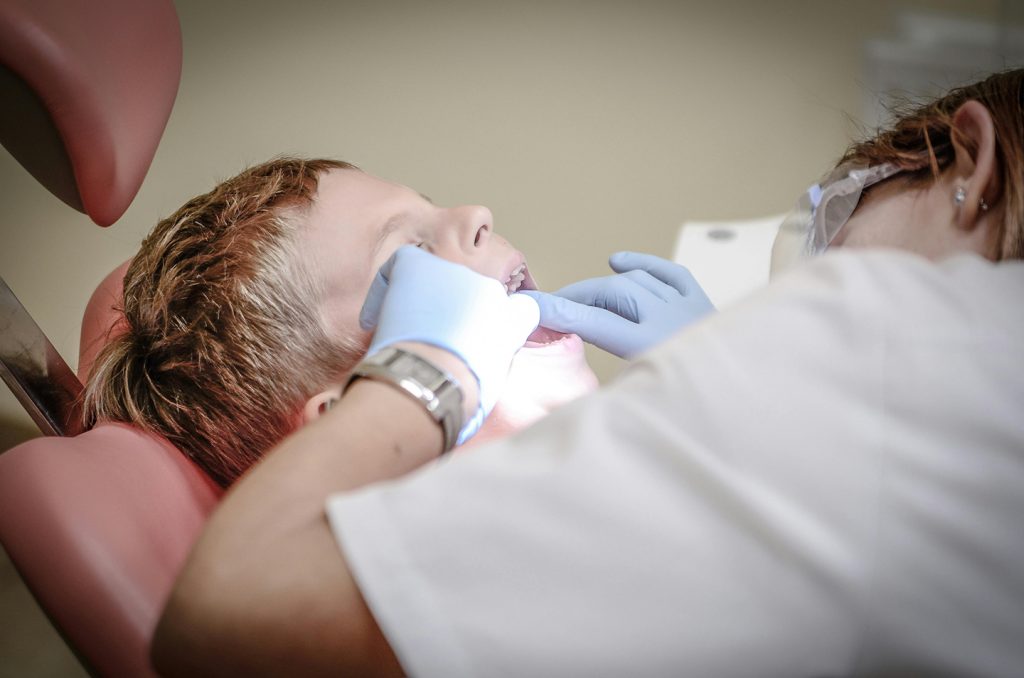 Tooth pain is one of those things that can turn a good day upside down. Whether it's a sharp, stabbing sensation or a dull, lingering ache, it can make eating, sleeping, and even focusing on simple tasks feel like a struggle. The good news? Most tooth pain has an identifiable cause—and even better, it's often preventable with the right care. Let’s break down some of the most common culprits behind tooth pain and what can be done to stop it. Tooth Decay (Cavities) One of the most common reasons for tooth pain, especially in children, is tooth decay. This occurs when bacteria in the mouth produce acids that wear down the enamel—the protective outer layer of teeth. This wearing down of the enamel is a gradual process. As the enamel erodes, it leads to cavities, which are essentially holes in the tooth. These cavities expose the sensitive inner layers of the tooth, specifically the dentin, which contains tiny tubules that connect directly to the nerve. When these tubules are exposed, stimuli like hot, cold, or sweet foods and drinks can easily reach the nerve, triggering pain. This is why sensitivity to these stimuli is a key sign of tooth decay....
  If you've ever browsed the dental care aisle, you know there's no shortage of whitening products promising a brighter smile. However, nature offers its own solution through everyday foods that can help maintain and even enhance your teeth's natural whiteness. Understanding which foods can help – and which ones to avoid – can make a significant difference in maintaining that coveted bright smile, all while supporting your overall oral health. The Science Behind Natural Teeth Whitening Before diving into specific foods, it's important to understand how natural whitening works. Unlike chemical whiteners that penetrate the enamel, foods work primarily through mechanical cleaning, gentle acid content, or enzyme action. Some foods act like natural toothbrushes, scrubbing away surface stains as you chew, while others contain compounds that help break down stains or strengthen enamel, maintaining your teeth's natural white appearance. Natural Whitening Warriors Certain foods are particularly effective at maintaining and enhancing your teeth's natural whiteness. Crunchy fruits and vegetables lead the pack, acting as nature's toothbrushes. Apples, for instance, contain malic acid, which naturally helps dissolve surface stains while their crisp texture gently scrubs your teeth. Carrots and celery work similarly, with the added benefit of stimulating saliva production, your...
 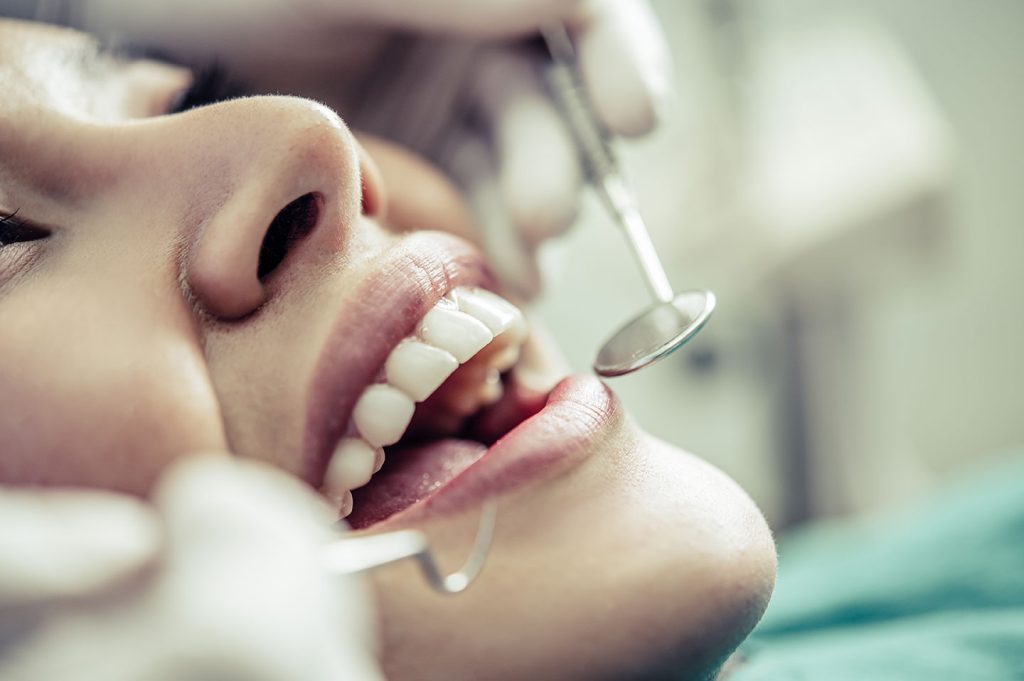 When it comes to dental care, myths and misconceptions abound. From home remedies to outright tall tales, it’s easy to get caught up in misinformation that could actually harm your oral health. To keep your smile safe and sparkling, let’s debunk some of the most common dental myths and set the record straight. Myth #1: Whitening Toothpaste Can Replace Professional Whitening The promise of a dazzling smile from a tube of whitening toothpaste might sound appealing, but the reality is different. Whitening toothpastes can remove surface stains caused by coffee or tea, but they don’t change the natural color of your teeth. Overuse can even damage your enamel, leading to increased sensitivity. For a truly brighter smile, professional whitening treatments from your dentist are safer and more effective. These treatments use advanced techniques to lighten the shade of your teeth while protecting their health. Myth #2: Sugar Causes Cavities It’s not sugar itself that causes cavities but the chain reaction it starts. When you eat sugary foods or drinks, bacteria in your mouth feed on the sugar, producing acids as a byproduct. These acids attack the enamel, creating the conditions for cavities to form. Reducing your sugar intake is essential,...
  When you think about health, your teeth and gums might not be the first things that come to mind. However, your oral health is more closely connected to your overall well-being than you might realize. From heart disease to diabetes, the health of your mouth can influence the health of your entire body. Taking care of your teeth and gums isn’t just about a bright smile—it’s about protecting your overall health. The Mouth-Body Connection Your mouth is often called the gateway to your body, and for good reason. It’s home to countless bacteria, some beneficial and others potentially harmful. In a healthy mouth, proper oral hygiene keeps harmful bacteria in check. However, neglecting oral care allows bacteria to multiply, leading to infections like gum disease. These bacteria and the inflammation they cause can spread beyond your mouth, contributing to serious health conditions. Research has uncovered strong links between oral health and several systemic diseases, making it clear that your dental care routine has far-reaching effects. How Oral Health Impacts Overall Health One of the most well-documented connections is the link between gum disease (periodontitis) and cardiovascular health. Chronic inflammation from gum disease is believed to contribute to the hardening of...
  You might not even realize it, but your teeth could be working overtime while you sleep. Teeth grinding, also known as bruxism, is a common condition that affects millions of people worldwide. Often occurring at night, this unconscious habit can have serious consequences for your oral health and overall well-being. Understanding the causes of bruxism and how to address it is the first step in protecting your smile. What Is Bruxism? Bruxism refers to the involuntary clenching or grinding of teeth. While it typically happens during sleep, it can also occur during the day, often as a response to stress or deep concentration. Occasional grinding may seem harmless, but chronic bruxism can lead to significant damage to your teeth, gums, and jaw over time. Why Does Teeth Grinding Happen? The exact causes of bruxism aren’t always clear, but a combination of factors often plays a role. Stress and anxiety are common triggers, as heightened emotional tension can cause the jaw muscles to tighten, leading to grinding. Sleep disorders, such as sleep apnea, are also closely linked to bruxism. The disruption in normal sleep patterns often exacerbates grinding behaviors. Additionally, misaligned teeth can create uneven pressure on your jaw, making grinding...
 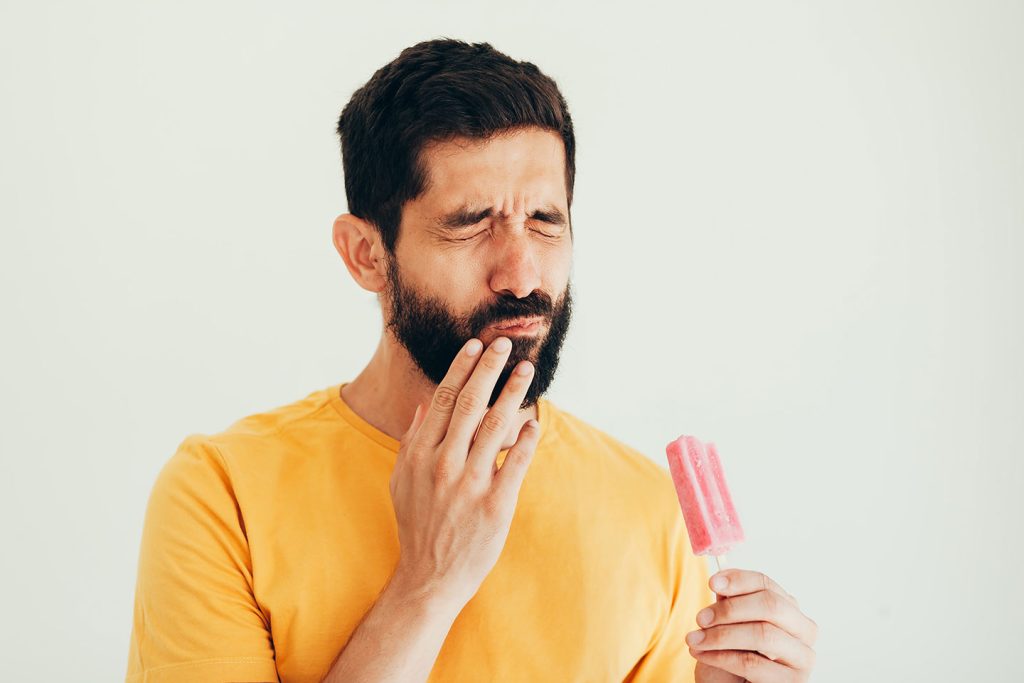 If you've ever winced while biting into ice cream or sipping a hot drink, you're not alone. That sharp, sudden pain could be a sign of tooth sensitivity, a condition that affects nearly 40% of people worldwide. While it might seem like a minor inconvenience, sensitive teeth can significantly impact your daily comfort. Understanding what causes this sensitivity and how to manage it can make all the difference. What Are Sensitive Teeth? Tooth sensitivity is more than just a momentary discomfort—it’s your body’s way of telling you something is amiss. At its core, the condition arises when the inner layer of your tooth, called dentine, becomes exposed. Dentine is protected by enamel, a hard outer layer, and contains thousands of microscopic channels that connect to your tooth’s nerve. When enamel wears away or gums recede, these channels become exposed to external stimuli like temperature changes or sugary foods, triggering sharp, sudden pain. What Causes Tooth Sensitivity? Sensitive teeth can develop for several reasons. One common cause is enamel erosion, which happens over time due to everyday habits. Aggressive brushing, using a hard-bristled toothbrush, or consuming acidic foods and drinks can all weaken enamel. Teeth grinding, often an unconscious behavior during...
 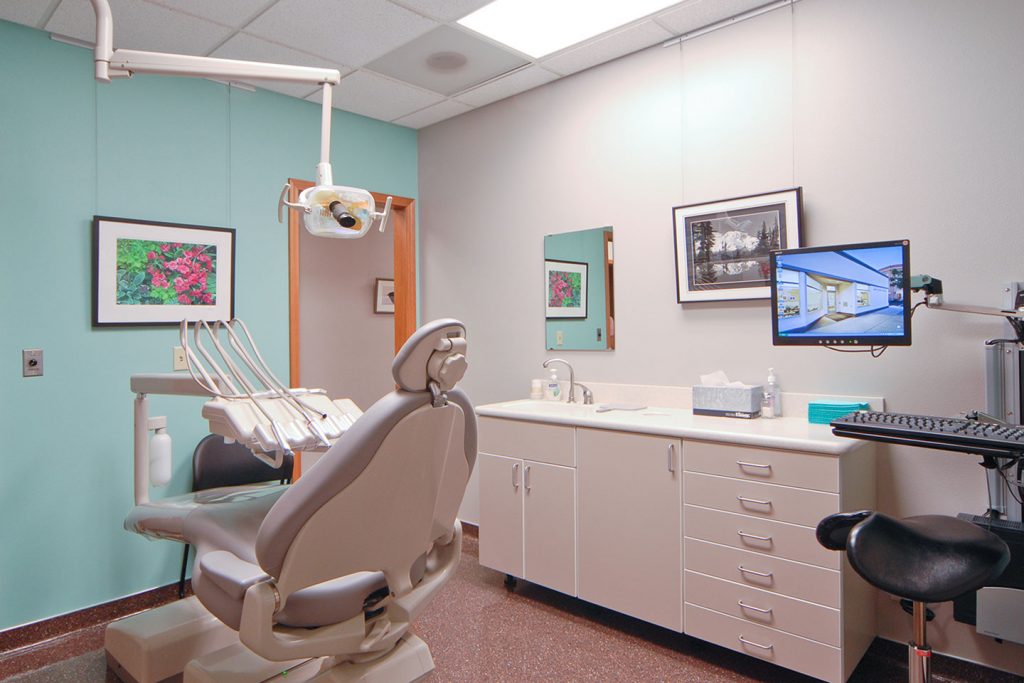 As we age, our bodies undergo numerous changes, and our oral health is no exception. Seniors face unique challenges when it comes to maintaining good dental health. In this blog post, we'll explore these challenges and offer practical solutions to help older adults keep their smiles healthy and bright. Common Dental Issues in Seniors 1. Dry Mouth (Xerostomia) Dry mouth is a common issue among seniors, often caused by medications or certain medical conditions. It can lead to increased risk of tooth decay and gum disease. Solutions: Stay hydrated by drinking plenty of water Use saliva substitutes recommended by your dentist Chew sugar-free gum to stimulate saliva production Consider discussing medication adjustments with your doctor 2. Gum Disease Seniors are at higher risk for gum disease due to years of plaque buildup and potential neglect of oral hygiene. Solutions: Maintain a rigorous oral hygiene routine, including brushing twice daily and flossing Use an antibacterial mouthwash Schedule regular dental cleanings and check-ups Consider using an electric toothbrush for more effective plaque removal 3. Root Decay As gums recede with age, roots become exposed and more susceptible to decay. Solutions: Use fluoride toothpaste and consider fluoride treatments at the dentist Be gentle...
  When it comes to maintaining good oral hygiene, two of the most essential tools are your toothbrush and toothpaste. But with countless options available on the market, how do you choose the right ones for your specific needs? This guide will help you navigate through the sea of choices and make informed decisions for your dental health. Selecting the Perfect Toothbrush Manual vs. Electric: Which is Better? Both manual and electric toothbrushes can be effective when used correctly. The choice often comes down to personal preference and individual needs. Manual Toothbrushes: Pros: Inexpensive, portable, no charging required Cons: Requires more effort for proper technique Electric Toothbrushes: Pros: Can be more effective at removing plaque, often have built-in timers Cons: More expensive, require charging or battery replacement Tip: If you have arthritis or limited manual dexterity, an electric toothbrush might be easier to use. Bristle Types: Soft, Medium, or Hard? Dentists generally recommend soft-bristled toothbrushes for most people. Soft bristles: Gentle on gums and enamel, effective at removing plaque Medium bristles: May be too abrasive for some, can lead to enamel wear Hard bristles: Not recommended as they can damage gums and enamel Tip: If you're a vigorous brusher, stick with...
 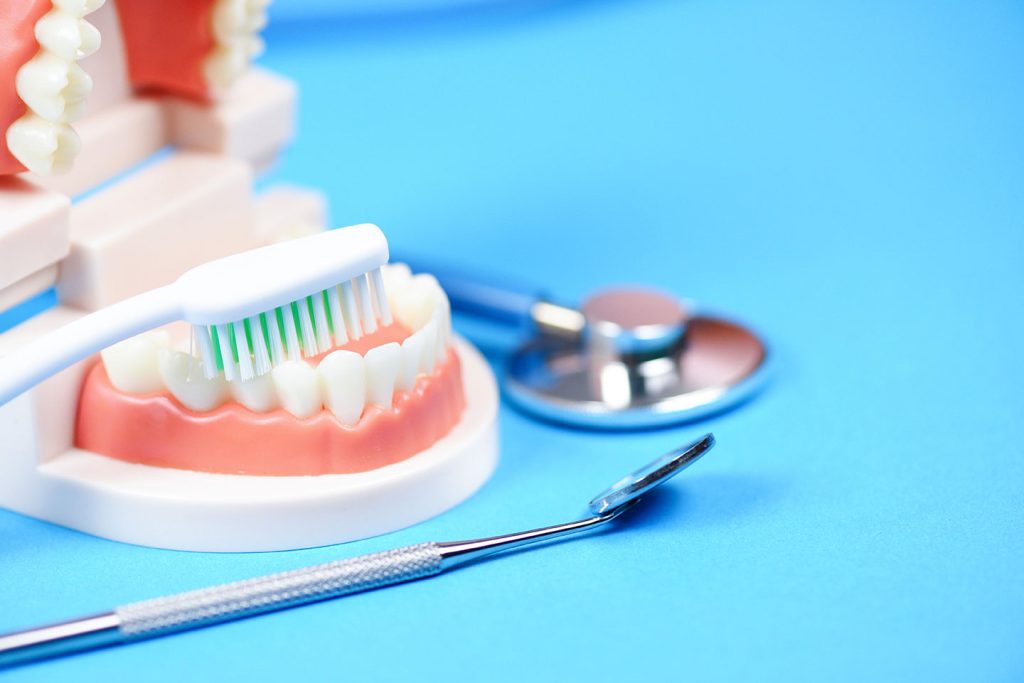 Cavities, also known as tooth decay, are one of the most common dental issues people face. They form when acids produced by bacteria in your mouth erode the enamel, leading to holes or "cavities" in the teeth. While cavities are common, they are entirely preventable with the right care and habits. In this blog, we’ll explore the top tips for keeping your teeth healthy and cavity-free. 1. Brush Your Teeth Twice a Day Brushing your teeth twice a day is the foundation of good oral hygiene and one of the best defenses against cavities. When you brush, you remove the plaque—a sticky film of bacteria that forms on your teeth after eating or drinking. If left on your teeth, plaque can produce acids that erode enamel, leading to cavities. Here are some tips for effective brushing: Use a fluoride toothpaste: Fluoride helps strengthen enamel and makes your teeth more resistant to decay. Brush for two minutes: Make sure you’re brushing long enough to thoroughly clean all surfaces of your teeth. Use a soft-bristled toothbrush: A soft-bristled brush is gentle on your gums and teeth, preventing damage while effectively removing plaque. 2. Don’t Forget to Floss Flossing is just as important...
  In today’s fast-paced world, stress is an unavoidable part of life. While it’s commonly known that stress can affect mental well-being and overall health, fewer people are aware of the significant impact stress can have on oral health. From grinding teeth to neglecting dental hygiene, the effects of stress on your mouth can lead to a host of problems. In this blog, we’ll explore the connection between stress and oral health and provide practical, easy-to-follow strategies for managing stress to protect your smile. How Stress Affects Oral Health 1. Bruxism (Teeth Grinding) One of the most common oral health issues caused by stress is bruxism, or teeth grinding. Many people grind or clench their teeth unconsciously, especially at night while they sleep. Over time, this can lead to tooth wear, fractures, jaw pain, and even temporomandibular joint (TMJ) disorders. Chronic teeth grinding can also cause headaches and neck pain, making the problem extend beyond your mouth. If untreated, the wear on your teeth can eventually lead to the need for crowns, fillings, or other dental restorations. 2. Gum Disease (Periodontal Disease) Stress is known to weaken the immune system, which makes it harder for your body to fight off infections,...