

Welcome to the Inland Family Dentistry dental blog. Walla Walla is home to our practice, and this is the space where we share friendly, helpful information about keeping your teeth and gums healthy. Whether you are curious about what happens during a routine cleaning, wondering how nutrition affects your smile, or looking for tips to help your kids feel comfortable at their next visit, you will find articles here written with real families in mind. We believe good dental care starts with good information, and we want this to be a resource you can trust.
New here? Learn more about our team and the services we offer, including general dentistry, hygiene, and pediatric dentistry. You can also explore trusted oral health resources from the American Dental Association.
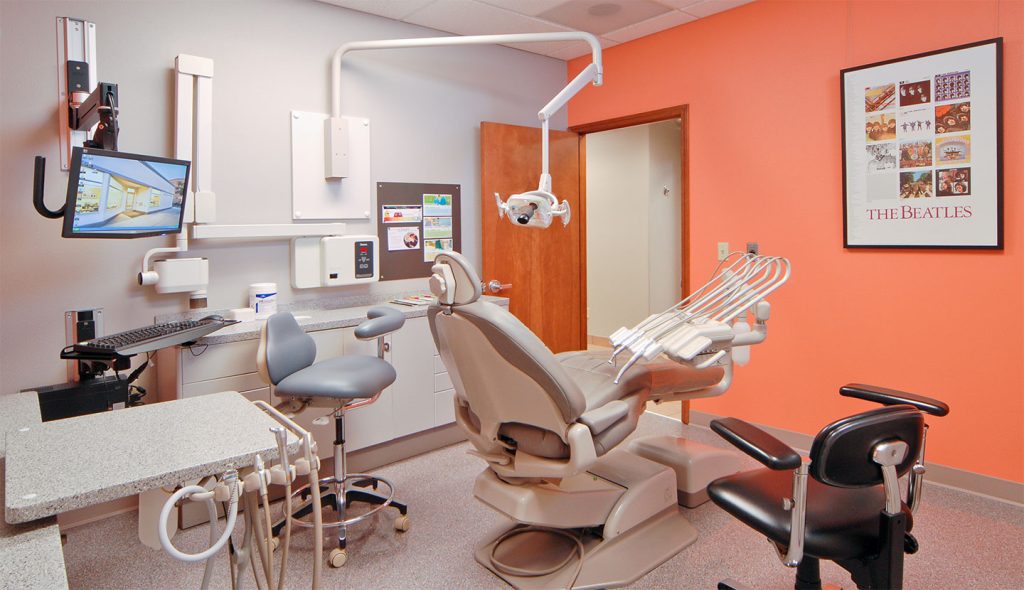 A lot of patients think of a dental appointment as a cleaning with a quick look at their teeth at the end. And honestly, we understand why. The cleaning is the part you can feel, that smooth, fresh sensation when you run your tongue over your teeth on the way out the door. But the exam that happens alongside your cleaning covers quite a bit more than most people realize, and understanding what we're actually looking for can help you get more out of every visit. Here's a closer look at what your dentist is doing during an exam, and why each piece of it matters. Your Teeth, Yes, But More Than That We're absolutely checking your teeth. We're looking for cavities, cracks, worn areas, and any changes since your last visit. But the exam extends well beyond your teeth themselves. We're looking at your gums, the bone that supports your teeth, how your bite comes together, how your jaw moves, and the soft tissues throughout your entire mouth. Each of those areas tells us something, and the information we gather from all of them together gives us a much more complete picture than any one piece could on its...
 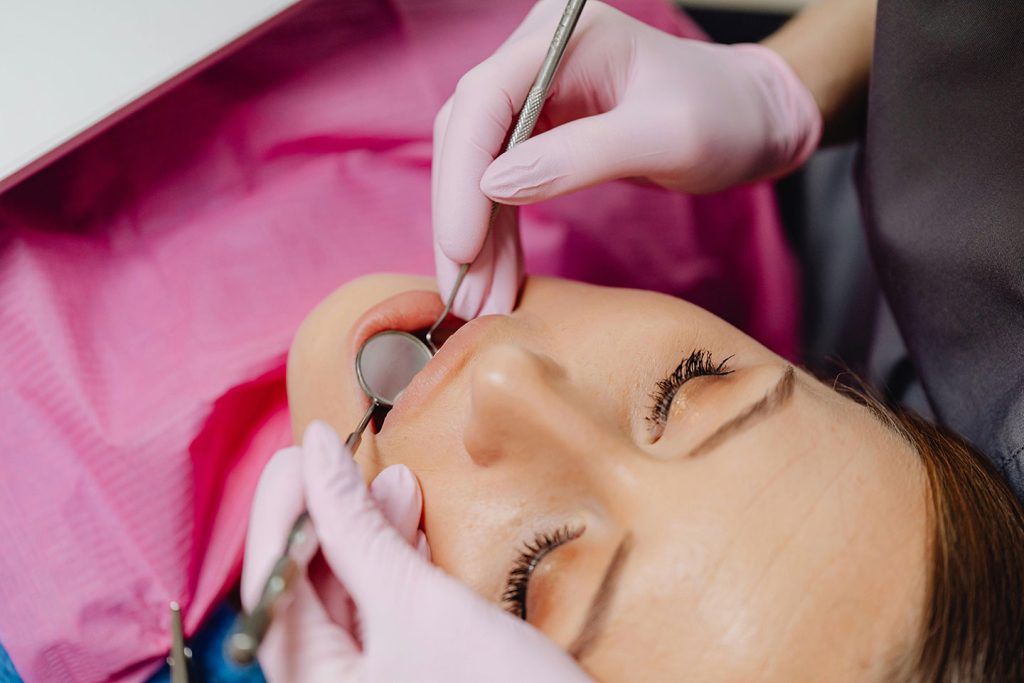 Most of us know that stress takes a toll on the body. It shows up in tight shoulders, restless nights, headaches that seem to come out of nowhere. What a lot of people don't realize is that stress also has a pretty significant effect on your oral health, and not always in ways that are obvious. We see it in our patients regularly. Life gets busy or overwhelming, and the mouth is often one of the first places it shows up. The connection makes sense when you think about it. Stress is a full-body experience, and your mouth is not somehow separate from everything else that's happening. Grinding and Clenching One of the most common signs is grinding or clenching your teeth, usually during sleep. Many people have no idea they're doing it until a partner mentions the noise, or they start waking up with a sore jaw and a dull headache that's hard to explain. Stress is one of the primary triggers, and the tricky part is that it often happens when you're completely unaware. Over time, grinding puts real wear on your enamel. It can cause teeth to become sensitive, flatten the biting surfaces, and in some cases...
  A bad toothache doesn't care what time it is. It doesn't care that you have work tomorrow or that it's Sunday and nothing's open. It just hurts, and it wants your full attention. So you do what everyone does—you start Googling. And you find a lot of advice, most of it vague, some of it wrong, and a fair amount that can actually make things worse. Here's what actually helps, what's just buying you time, and when you need to stop managing it yourself and get to a dentist. Why tooth pain hits so hard Teeth aren't like muscles. When your back aches, you can stretch it out, take something, move on with your day. Tooth pain doesn't work like that. The nerves inside your teeth are incredibly sensitive, and when something irritates them—decay, a crack, infection, pressure—they let you know about it in a way that's hard to ignore. The pain doesn't really have a dimmer switch. Common culprits are cavities, cracked teeth, gum infections, exposed roots, or just inflammation around the tooth. Sometimes it's not even your teeth—sinus pressure can feel exactly like a toothache. The thing to remember is that toothaches almost never just go away on...
 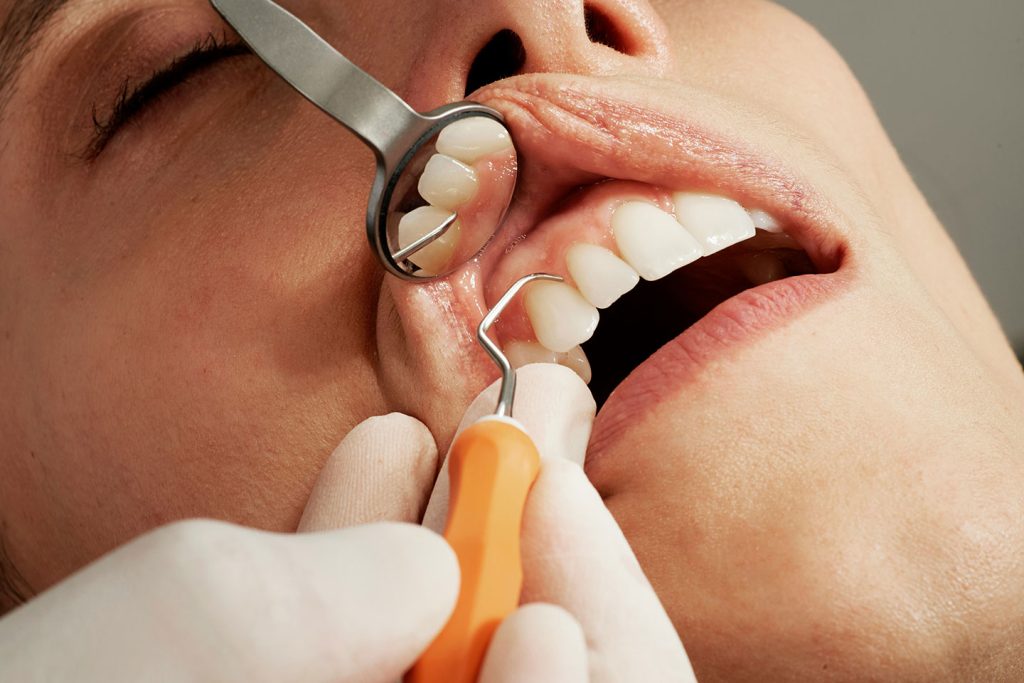 Most dental problems make themselves obvious. A cavity hurts. A cracked tooth gets your attention. Sensitivity lets you know something's wrong pretty quickly. But there's one issue that doesn't play by those rules. It often starts somewhere in your 30s, causes basically no pain, and then announces itself in your 50s—sometimes after the damage is already done. That's gum disease, and it's sneakier than most people realize. Why Nobody Notices It Early When you're younger, your body covers for you. Gums heal fast, inflammation calms down on its own, and minor problems don't leave much evidence behind. Early gum disease (the technical term is gingivitis) usually just looks like a little bleeding when you brush. Maybe some puffiness. Occasional bad breath. Nothing that hurts. And because it doesn't hurt, people ignore it. A lot of folks actually stop flossing when they see blood, figuring the flossing must be causing the problem. It's not. Bleeding gums are your mouth trying to tell you something. What's Actually Going On Gum disease isn't just about the pink tissue you can see. It starts when plaque and bacteria build up along the gumline and trigger inflammation. When that inflammation sticks around, things start to...
 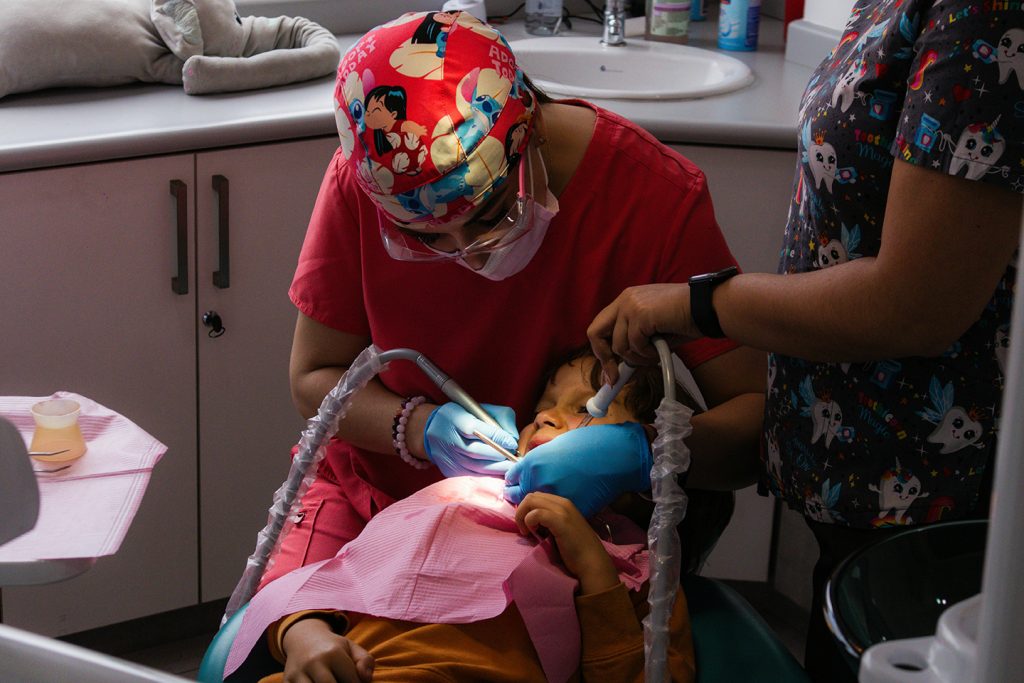 Every parent has been there. Your kid mentions their tooth hurts, or you spot something weird while they're brushing, and suddenly you're wondering if you need to call the dentist right now or if you're overreacting. Here's the thing: some stuff that looks alarming is just normal kid mouth stuff. Teeth fall out. Gums get irritated. Kids eat ice cream too fast and complain about sensitivity. That's childhood. But other things genuinely do need a professional to take a look. The trick is knowing which is which. So let's break it down. When You Should Actually Make an Appointment Tooth or jaw pain that won't quit Kids complain about random stuff all the time. A one-off "my tooth feels weird" after chomping down on a hard pretzel? Probably nothing. But if they keep mentioning it over a couple days, or they're avoiding chewing on one side, or they wince when they bite down—that's different. Pain that sticks around usually means something's going on underneath, whether that's a cavity, an infection, or a tooth coming in wrong. Kids also tend to downplay pain, so if they're actually telling you about it repeatedly, pay attention. Gums that are red, puffy, or bleeding...
 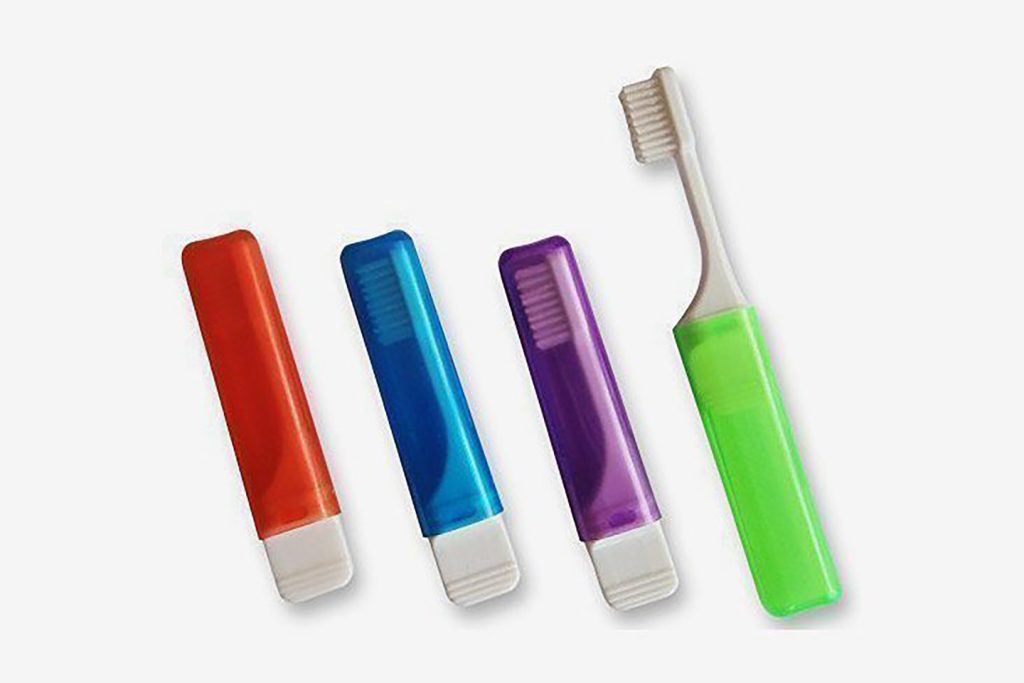 Most people have been there at least once—you get to the hotel, unzip your bag, and realize you forgot your toothbrush. Or the toothpaste. Or you remembered both but they're buried somewhere in checked luggage that won't arrive until tomorrow. It's not the end of the world, but it's annoying, and hotel gift shop toothbrushes are never great. The fix is simple: keep a dedicated travel kit packed and ready to go. Not just a toothbrush thrown in a plastic bag, but an actual kit with everything you need. It takes maybe ten minutes to put together, and once you have it, you don't have to think about it again. Here's how to do it right. Start With a Toothbrush That Makes Sense for Travel Your everyday toothbrush might work fine at home, but it's not always the best choice for a suitcase. Full-size brushes take up more room than necessary, and if you're tossing one into a toiletry bag without a cover, the bristles are going to pick up whatever else is in there. A few better options exist. Folding toothbrushes are compact and protect the bristles when closed—they're cheap and easy to find at most drugstores. Compact travel...
  We get it—toothbrushes aren't exactly what most people picture when they think "holiday gift." But hear us out. The right oral care gifts can be surprisingly thoughtful, especially for the person in your life who's hard to shop for or already has everything. And unlike that random kitchen gadget that ends up in a drawer by February, these are things people will actually use. Here are some ideas worth considering this season. Electric Toothbrushes If someone on your list is still using a manual toothbrush, an electric upgrade is one of those gifts they'll use every single day. Most people who make the switch don't go back—and there's good reason for that. Electric brushes do a lot of the work for you, and they're measurably better at removing plaque than manual brushing alone. Look for a model with a two-minute timer. It's amazing how many of us think we're brushing long enough when we're really cutting it short. That timer keeps you honest. Some higher-end models also have pressure sensors that let you know if you're brushing too hard, which is a common habit that can wear down enamel and irritate gums over time. For kids, character-themed brushes can turn...
 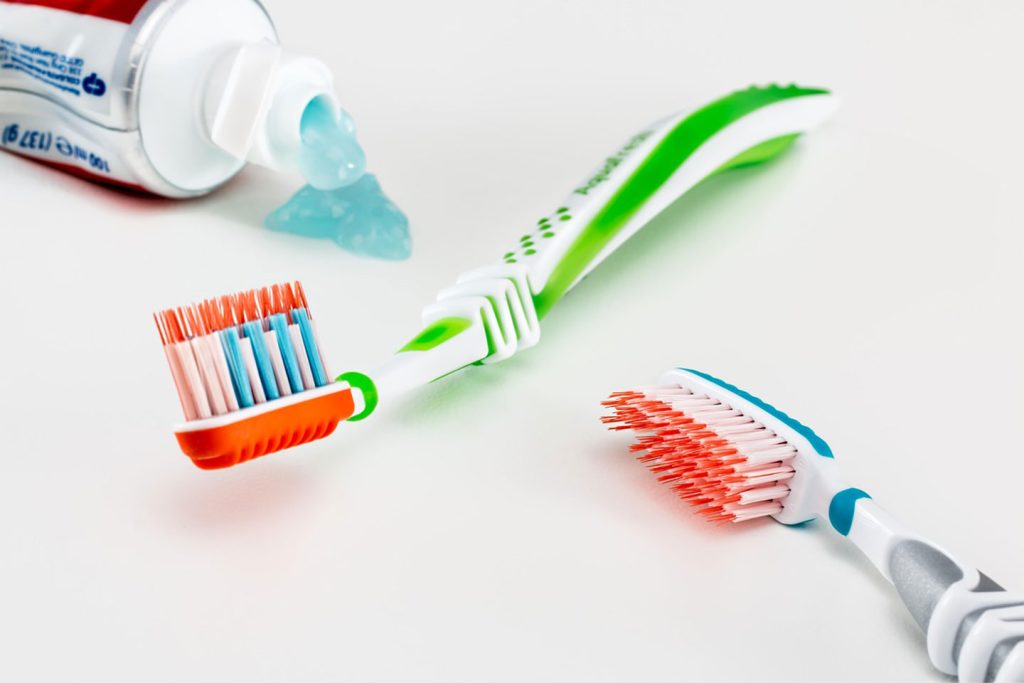 You probably don’t think about your toothbrush much beyond using it twice a day—but did you know your toothbrush can harbor bacteria, toothpaste residue, and even mold if it’s not cared for properly? Keeping your toothbrush clean is an easy way to support your oral hygiene routine and protect your smile. In this post, we’ll explore simple, practical ways to keep your toothbrush fresh, safe, and ready for daily use. Why Toothbrush Hygiene Matters Your toothbrush plays a key role in removing plaque, food particles, and bacteria from your teeth and gums. Over time, though, bacteria, fungi, and other microbes can accumulate on the bristles. While most of these are harmless, a dirty toothbrush may reduce brushing effectiveness and can contribute to unpleasant odors or taste. By keeping your toothbrush clean, you maximize the benefit of every brushing session. (ADA MouthHealthy) 1. Rinse Thoroughly After Every Use The simplest step is also the most important. After brushing: Rinse your toothbrush under running water to remove leftover toothpaste and debris. Shake off excess water to keep it from staying wet, which can encourage microbial growth. This quick habit helps maintain cleanliness and prevents buildup on the bristles. 2. Store Your Toothbrush...
  Getting kids to brush their teeth doesn’t have to feel like a daily battle. In fact, with the right mix of creativity, encouragement, and routine, brushing can become something your child actually looks forward to. Whether you’re helping a toddler learn the basics or guiding an older child toward more independence, there are plenty of fun ways to make brushing feel less like a chore and more like an activity they enjoy. In this guide, we’re sharing simple, playful, and effective strategies to help your child build great brushing habits that can last a lifetime. These tips are easy to put into practice and perfect for parents who want an stress-free approach to oral care at home. 1. Turn Brushing Into a Mini Game Kids love games—so why not turn brushing into one? Here are a few ideas to keep things fun: “Beat the Timer” Challenge: Set a two-minute timer and see if your child can keep brushing until the buzzer. Let them pick the timer sound for extra excitement. Sticker Rewards: Create a brushing chart where kids earn a sticker for each morning and night they brush. A full week of stickers can earn a small reward. Brushing Adventure...
 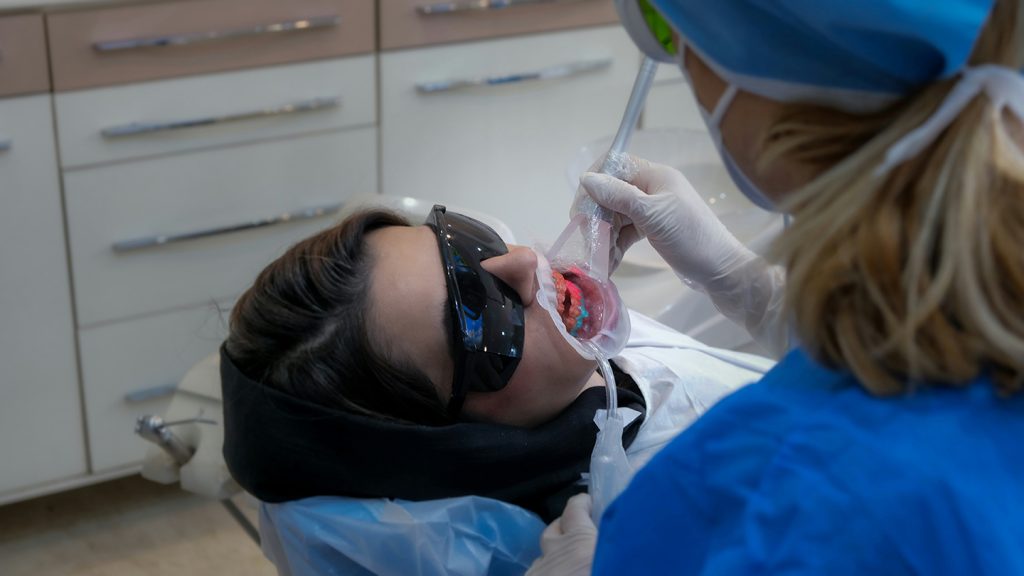 When it comes to smiles, “pearly whites” have become the gold standard. From filters on Instagram to whitening products lining store shelves, society has painted a picture that healthy teeth must be perfectly white. But here’s the truth: perfect whiteness doesn’t always equal perfect health. In fact, striving for an unnaturally white shade can sometimes do more harm than good. Let’s explore why, and what the natural shade spectrum of teeth really looks like. Why Aren’t Teeth Naturally Pure White? Contrary to what advertising suggests, teeth are not supposed to look like freshly painted walls. The inner layer of the tooth, called dentin, naturally has a yellowish hue. The outer layer, enamel, is translucent. When light passes through enamel, it reflects the dentin beneath it, giving teeth their natural off-white, slightly yellow, or even grayish appearance. This means that your “natural shade” might be closer to ivory than to bright white and that’s completely normal. Genetics, age, and lifestyle all influence your baseline tooth color. The Problem with “Perfect” Whiteness Chasing a bleach-white smile often leads people to overuse whitening products or seek quick-fix procedures that can weaken enamel. Here’s why that can be a problem: Enamel Damage Whitening products...